One area that deserves special attention is the quality of home health care services in relation to their diabetes diagnosis. Often, patients who are discharged to home health qualify for services due to diabetes complications, such as diabetic foot ulcers, neuropathy with fall risk, worsening glycemic instability, mobility compromised by stroke and others. Even patients who qualify for home health due to unrelated conditions still require diabetes-informed care, since diabetes is an independent risk factor for poor outcomes.
These patients require targeted interventions and specialized care that not only addresses their primary admitting diagnosis, but also their diabetes. By choosing a home health agency like Amedisys that can provide an evidence-based diabetes empowerment program that helps eligible patients manage symptoms at home, you can help ensure optimal outcomes and reduced readmission risk. In this article, we’ll examine nine common signs that a patient with diabetes may benefit from this approach to home health.
[action 1]
Diabetes and Home Health: Why Specialized Care Matters
Diabetes complications and outcomes have such a significant impact on care that research suggests that a diabetes diagnosis can directly impact Home Health Care Consumer Assessment of Healthcare Providers and Systems (HHCAHPS) and Outcome and Assessment Information Set (OASIS) ratings for home health agencies. 1 Patients discharged from higher levels of care with a diagnosis of diabetes may have:
- Higher 30-day readmission risk 2
- Increased rates of cognitive impairment affecting outcomes 3
- Poor wound healing and persistent infections
- Limited medication and dietary adherence
Home health care professionals can help bridge the gap between the hospital or skilled nursing facility (SNF) and home by helping to educate patients to take control of their health. In the home, these providers reinforce in-hospital teaching, as taking medication as ordered, following appropriate dietary recommendations, exercising and consistently self-monitoring blood sugar.
This targeted support, particularly when structured within a specialized home health program for diabetes management, can help reduce these risks. In fact, timely admission to home health services is correlated with better outcomes for this patient population. 4
Here are nine key signs a patient with diabetes (who also meets home health eligibility criteria) may benefit from home health care that includes specialized diabetes management:
1. New Diagnosis of Diabetes
Education and empowerment are central pillars of home health care, allowing patients to become more independent and to manage their conditions at home either themselves or with caregiver assistance. Getting started on the right path early on in a diabetes diagnosis can go a long way in heading off more serious complications.
2. Difficulty Managing Medications or Drawing Labs
Drug therapy is critical to diabetes management. Home health teams can help patients strike the appropriate balance between the need for medications and other lifestyle changes like weight loss, increased activity and diet changes.
Home health nurses will help patients understand the medication they’ve been prescribed and ensure they’re taking the correct dosage. Clinicians assess patients during the very first home health visit on how well equipped they are to self-administer medication and whether they will need to rely on clinicians or caregivers regularly.
3. Inability to Manage Glycemic Control
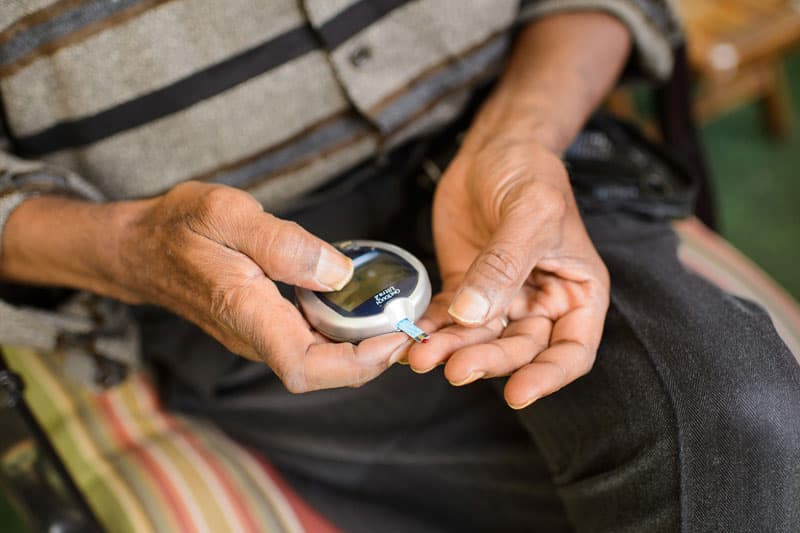
Glycemic control is a delicate balancing act. Home health teams work in tandem with patients’ physicians to both assess each patient’s glucose goals, including the patient’s and caregiver’s ability to check blood glucose levels, and develop a plan of care to manage it.
4. Increased Fall Risk Due to Diabetic Neuropathy
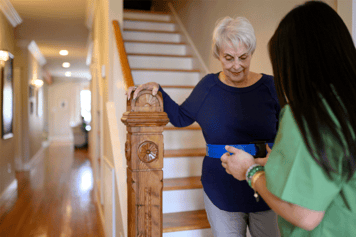
Home health teams can help improve patients’ safety by educating them about potential fall risks due to diabetic neuropathy. Amedisys’ fall reduction program comprehensively addresses fall risks in the home, where 75 percent of falls occur. 5 The home health team addresses musculoskeletal issues, visual disturbances, functional and cognitive impairments, chronic conditions, medications and home safety to help prevent falls and any complications that may result from them.
5. Increased Risk for Hospitalizations from Comorbid Conditions
While home health can help reduce rehospitalization due to diabetes, it can significantly reduce the risks for unnecessary hospitalizations due to comorbidities as well. By developing plans of care unique to each patient, clinicians can empower patients to manage their specific diagnoses more effectively and comprehensively at home.
Additionally, having direct eyes on the patient either through clinicians or home health aides helps the team spot any change in status or any new symptoms more quickly, initiating interventions if necessary.
6. Need for Wound Care for Diabetic Foot Ulcer
Wound care is a key element of home health. Our clinicians are trained in wound care product use, care and detection of infection symptoms. This includes advanced molecular testing to support proper treatment of infections. They provide education, teaching and training on how to prevent complications, the role blood sugar plays in wound healing and when to reach out for help.
Amedisys has a team of specially trained wound nurses who can assist our physicians and clinicians with recommendations for management of diabetic foot ulcers to reach the best outcomes for our patients. Wound care at home can result in faster healing times, better outcomes, lower infection rates, decreased pain, better mobility and fewer unnecessary hospital visits.
Physical therapists will assess the patient’s strength and functional mobility and will provide education and training to promote diabetic foot ulcer healing and to prevent further complications. They help reduce the overall foot stress and injury risk for diabetic patients by assessing movement patterns and teaching safer ways to walk, balance, and transfer. This guidance supports proper loading, minimizes friction and shear, and promotes pacing strategies that prevent overuse.
7. Difficulty Managing Healthy Weight
Losing weight is often a primary goal for managing type 2 diabetes. Home health teams leverage nutrition therapy to promote healthy eating patterns, achieve and maintain the desired weight, delay or prevent complications and provide practical meal planning tools.
8. Need for Increased Exercise
Physical and occupational therapists will help patients increase their physical activity. Clinicians help them navigate any specific challenges or barriers to exercise and consistently remind them to check glucose levels before beginning any exerting activity.
9. Consistently Calling Your Office with Questions
The education home health clinicians provide empowers patients to manage their symptoms confidently at home, which can reduce unnecessary calls to your office and allow your team to focus on higher-acuity needs.
If your home health eligible patients have diabetes—and especially if they exhibit any of the above factors above—submit a referral form today to see if our team can help your patient be more independent, safe and stable at home.
TeRonna Hall, BSN, RN, CCP, serves as a Clinical Content Development Specialist at Amedisys. With 36 years of healthcare experience, including 34 years in home health, she is dedicated to educating others on health-related topics.
REFERENCES5. https://acl.gov/FallsPrevention
|